INVITED SPEAKERS
|
|
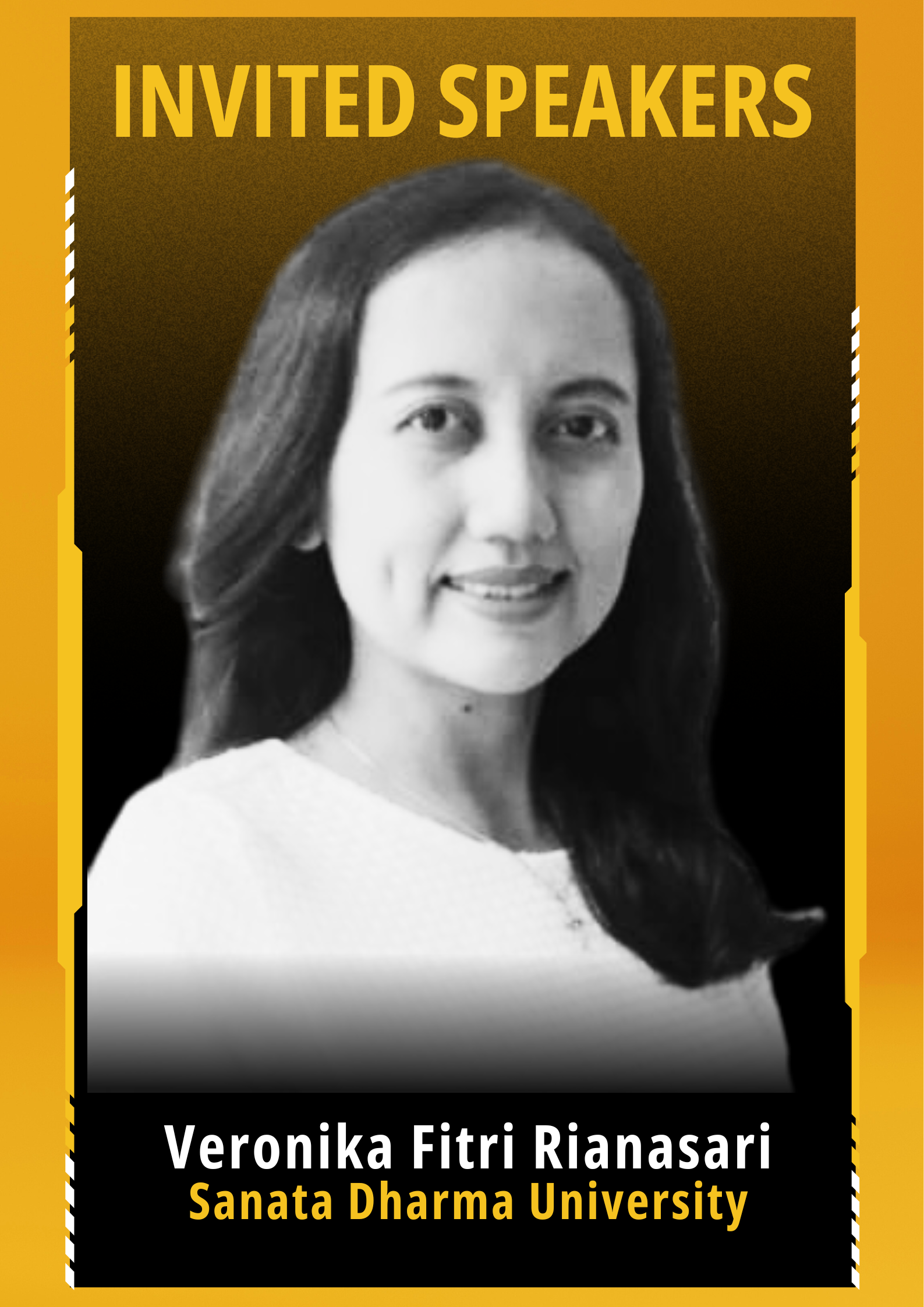
BEYOND SUPERFICIAL WORD PROBLEMS: CULTIVATING PRESERVICE TEACHERS’ CAPACITY TO DESIGN REALISTIC MATHEMATICS TEACHERS Veronika Fitri Rianasari In many mathematics classrooms, word problems are little more than routine exercises disguised in a story format, leading to a limited understanding of what it means for a task to be “realistic.” This article rethinks the notion of realism in mathematics tasks by drawing on findings from a design research project with preservice secondary mathematics teachers. Early in the study, these preservice teachers tended to treat any story problem as inherently realistic and struggles to design tasks that featured authentic contexts, appropriate cognitive demand, and opportunities for students’ mathematization. Through cycles of collaborative problem-posing, reflective practice, and engagement with authentic audiences, they gradually developed the ability to design Realistic Mathematics Tasks (RMTs) that were experientially real, cognitively rich, and supportive of students’ construction of mathematical knowledge. By showcasing this transformation, the article highlights the importance of preparing teachers to distinguish between superficial word problems and RMTs, and offers insights into how teacher education can cultivate the capacity to design tasks that truly connect mathematics with students’ lived experiences. |
|
|
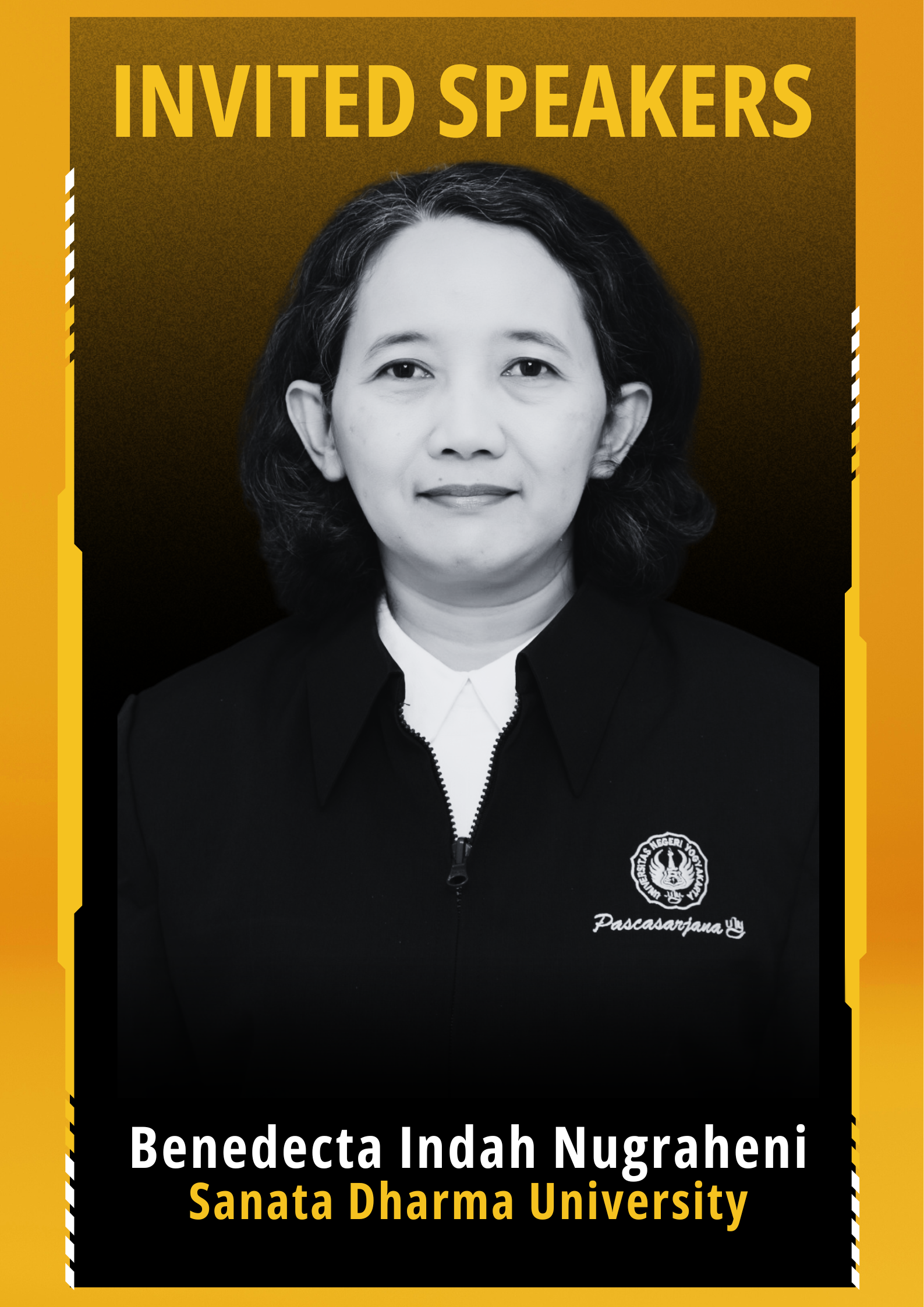
EXPLORING STUDENTS’ REFLECTIONS ON 4C DEVELOPMENT IN ICT LITERACY AND LEARNING MEDIA COURSE THROUGH IGNATIAN PEDAGOGY AND PROJECT-BASED LEARNING Benedecta Indah Nugraheni This study aims to explore students’ reflections on the development of the 4C skills (competence, conscience, compassion, commitment) in the ICT Literacy and Learning Media course, which was conducted through Project-Based Learning (PjBL) grounded in Ignatian Pedagogy. |
|
|
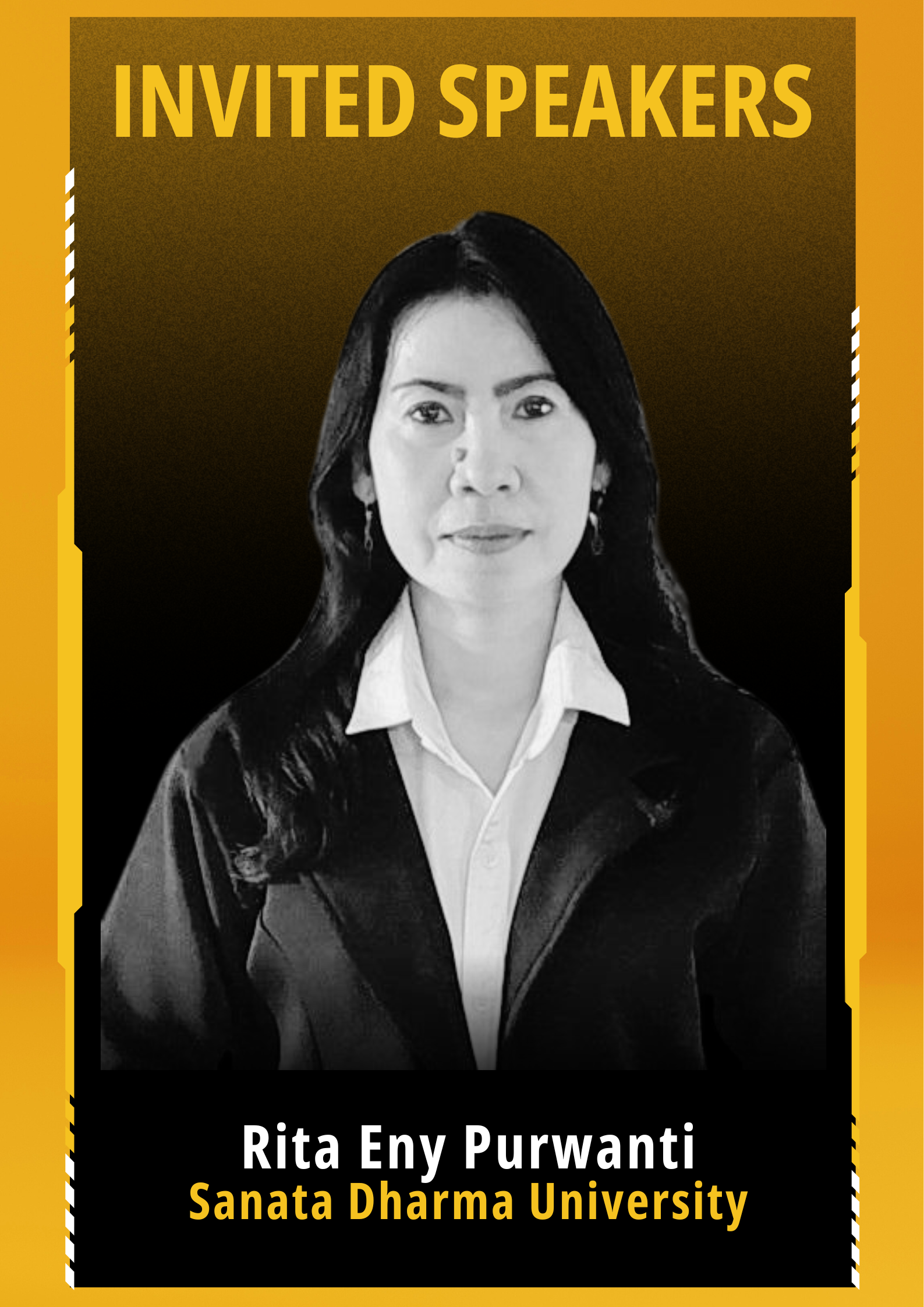
SYNERGY AMONG INSTITUTIONS IN THE DEVELOPMENT OF PROFESSIONAL TEACHERS Rita Eny Purwanti The purpose of this research is to develop professional teachers by involving the real roles and synergy of relevant institutions. Teacher development has so far tended to be carried out by universities and the central government, but has not yet meaningfully involved the roles of professional organizations and local governments. |
|
|
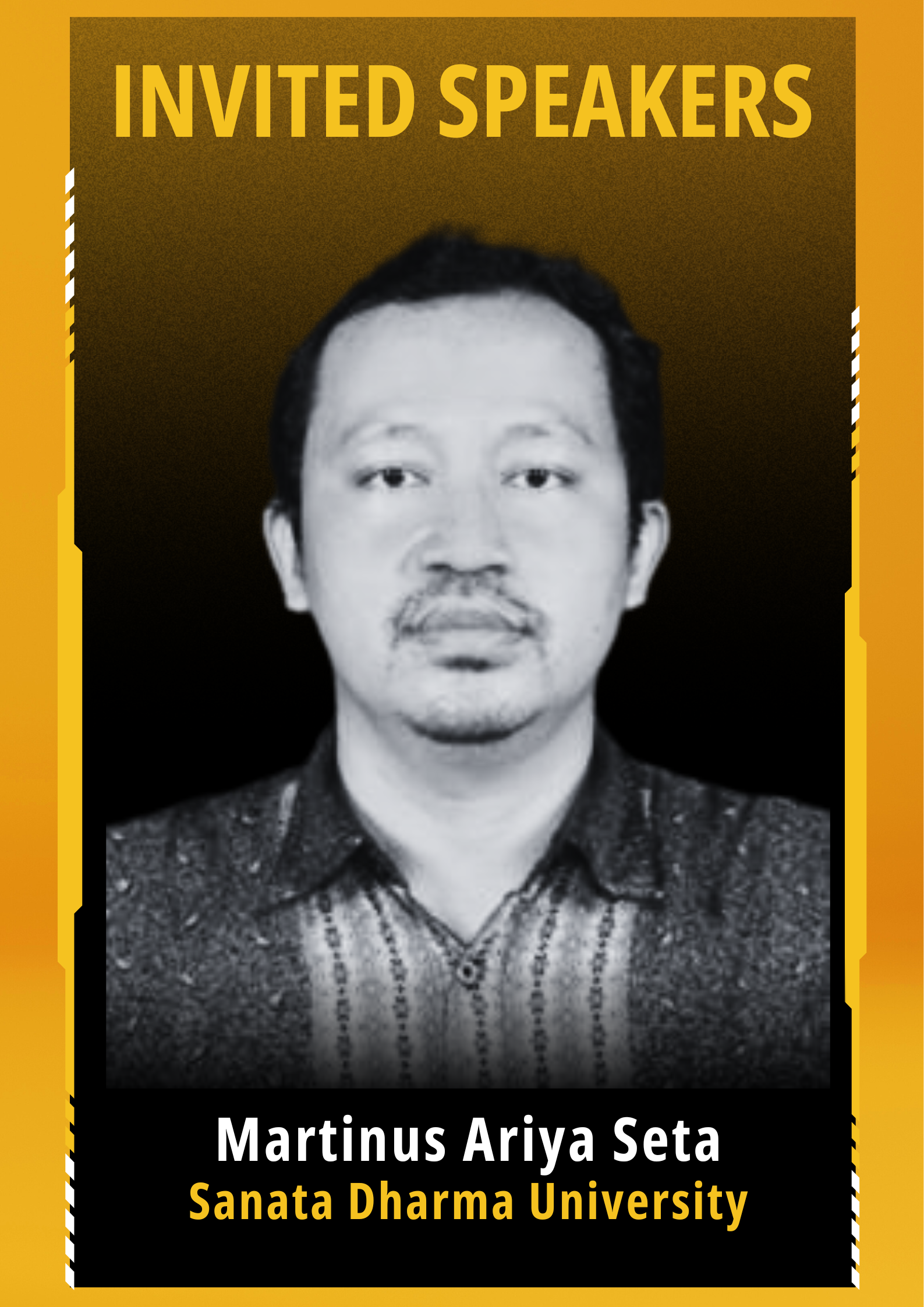
Religious Tolerance among the Catholic Students in the Secondary Schools in Yogyakarta Martinus Ariya Seta Tolerance is theoretically conceptualized as a coexistence concept and identity concept as well. It is a paradoxical notion. As a coexistence concept, tolerance promotes a commitment to the ties among religions. As an identity concept, tolerance promotes a commitment to one own religion. It is a preference to the distinctiveness of one own religion. Empirical research is done to identify the coexistence and identity construct among the Catholic Students in Yogyakarta Secondary Schools (N= 249). Both constructs are identified simultaneously among the respondents. Further, the aspect of dialogue is also identified empirically. The finding is the empirical basis of the notion of tolerance as paradoxical notion of commitment of identity and commitment of coexistence. |
|
|
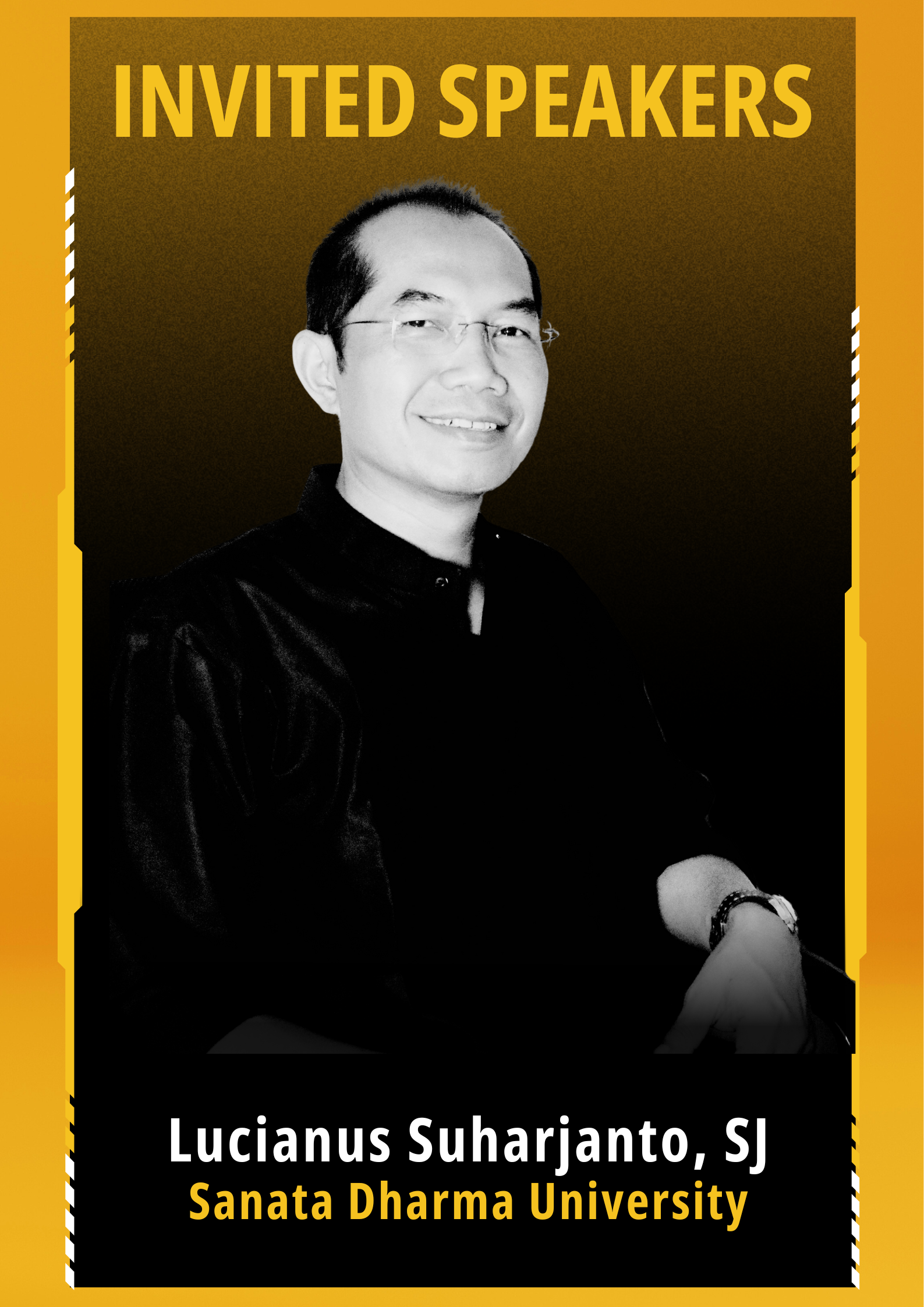
SENSITIVITY TO PAIN AND HUMILIATION FOR HUMANISTIC DIGITAL EDUCATION Lucianus Suharjanto, SJ This research aims to develop a framework for digital education that cultivates familiarity with human pain and humiliation through literary culture, particularly the novel. Specifically, this article promotes an ironist strategy to approach the transfer of agency to algorithms and the depersonalization of human experience embedded in digital education. A core objective is to build solidarity through promoting literary culture for a humanistic digital education. |